



Filing an insurance claim can often feel like navigating a complex maze, filled with industry jargon, procedural pitfalls, and potential setbacks. For many, this process is undertaken during already stressful times, such as after an accident, theft, or natural disaster. Therefore, it is crucial to approach it with a clear understanding and strategic mindset to ensure a smooth and successful claim process. In this article, we will delve into the most common mistakes people make when filing insurance claims and provide expert advice on how to avoid these costly errors. By understanding and sidestepping these pitfalls, you can maximize your chances of a favorable outcome and ensure that you receive the coverage and compensation you are entitled to. Whether you are dealing with auto, home, health, or any other type of insurance, the insights shared here will empower you to navigate the claims process with confidence and precision.
Understanding Policy Details to Prevent Common Pitfalls
To avoid stumbling blocks when filing an insurance claim, it’s essential to have a comprehensive understanding of your policy details. Many policyholders overlook crucial elements that could lead to claim denials or reduced payouts. Start by familiarizing yourself with the coverage limits and exclusions. These are often buried in the fine print but are critical to know. Your policy may not cover certain types of damage or may have sub-limits that cap payouts on specific losses.
Additionally, pay attention to the claim filing procedures outlined in your policy. Failing to follow these can result in delays or even outright rejections. Key points to consider include:
- Timeframes: Understand the deadlines for reporting a claim. Many policies require prompt notification.
- Documentation: Gather all necessary documentation, such as receipts, photos, and any correspondence with third parties.
- Communication: Keep a record of all communications with your insurer, including dates and the names of representatives you speak with.
By meticulously reviewing your policy and adhering to its requirements, you can significantly reduce the risk of encountering common pitfalls during the claims process.

Documenting Thoroughly to Strengthen Your Claim
One of the critical steps in ensuring your insurance claim is processed smoothly is the meticulous documentation of all relevant details. When it comes to insurance claims, the devil is in the details. Start by gathering all the necessary evidence related to the incident. This includes photographs, receipts, and any other pertinent documents. It’s important to record the date, time, and exact location of the event. In addition, keep a detailed account of any interactions with witnesses or professionals, such as repair estimates or medical evaluations.
Consider creating a comprehensive list of everything that might support your claim, including:
- Photographic Evidence: Capture images from multiple angles.
- Receipts and Invoices: Provide proof of purchase or repairs.
- Communication Logs: Maintain records of emails and phone calls.
- Witness Statements: Obtain signed statements if possible.
- Police or Incident Reports: Include any official documentation.
Ensuring all these elements are well-documented and organized will not only make the process more efficient but also position your claim in a way that leaves little room for denial.

Effective Communication with Your Insurance Adjuster
When dealing with your insurance adjuster, clear and effective communication is crucial. Avoiding common pitfalls can significantly impact the outcome of your claim. First, always provide accurate and honest information. Misrepresenting facts or omitting details can lead to delays or even denials of your claim. Ensure all documentation is complete and organized; a well-documented claim is easier to process and verify.
- Be Prepared: Gather all necessary documents before your meeting, including photos, receipts, and any relevant correspondence.
- Stay Professional: Maintain a calm and respectful demeanor, even if you’re frustrated. This can help facilitate a more productive dialogue.
- Ask Questions: If you’re unsure about any part of the process, don’t hesitate to ask for clarification. Understanding the process can prevent miscommunication.
By implementing these strategies, you can ensure a smoother interaction with your adjuster, helping to expedite your claim and potentially increasing the likelihood of a favorable outcome.
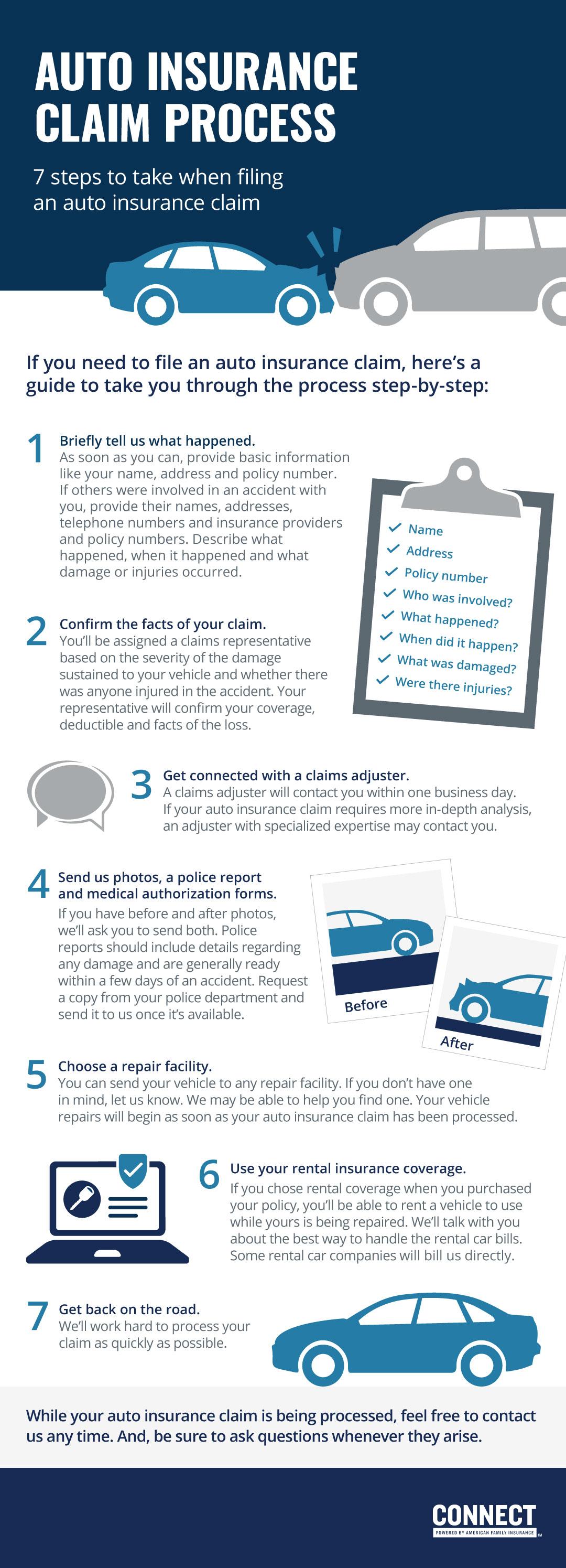
Navigating the Claims Process with Confidence
Successfully managing your way through the insurance claims process requires both knowledge and strategy. Avoiding common pitfalls is crucial to ensuring a smooth and efficient experience. Here are some missteps you should steer clear of:
- Delaying Your Claim: Time is of the essence. Failing to report an incident promptly can lead to complications or even denial of your claim.
- Inadequate Documentation: Properly documenting the incident with photos, receipts, and detailed notes is essential. Insufficient evidence can severely weaken your case.
- Overlooking Policy Details: Not fully understanding the terms of your policy can result in unexpected coverage gaps. Always review your policy thoroughly before filing a claim.
By avoiding these errors, you can approach the claims process with a level of confidence that ensures a more favorable outcome.