



In a world where uncertainty is the only certainty, insurance has become a ubiquitous safety net, offering peace of mind in the face of life’s unpredictabilities. But as we delve deeper into the realm of insurance, a curious question arises: Is buying multiple insurance policies a savvy strategy for safeguarding our assets, or is it merely a sophisticated way to drain our wallets? With the proliferation of insurance products—from health and life to pet and travel—consumers are often caught in a whirlwind of choices, each promising unparalleled protection. Yet, beneath the surface of this seemingly logical approach lurks a potential paradox. Could doubling down on policies be akin to doubling down on an empty bet? In this article, we unravel the layers of this financial conundrum, exploring whether the quest for comprehensive coverage is a prudent pursuit or just a costly illusion. Prepare to embark on a journey that challenges conventional wisdom and redefines your understanding of insurance in the modern age.
Navigating the Insurance Maze Understanding the True Cost of Overlapping Coverage
In the complex world of insurance, it’s easy to fall into the trap of purchasing multiple policies, thinking you’re safeguarding your future. However, overlapping coverage often leads to redundant costs without providing extra security. The hidden expenses associated with duplicate insurance can be a drain on your finances, where the only beneficiaries are the insurance companies themselves. Instead of offering enhanced protection, these overlapping policies might simply create a web of confusion, leaving you with a false sense of security.
Consider the implications of owning multiple policies:
- Premium Overlap: Paying multiple premiums for the same type of coverage can quickly add up, straining your budget without additional benefits.
- Complex Claims Process: Navigating claims can become complicated when multiple insurers are involved, leading to delays and frustrations.
- Unnecessary Coverage: Often, one comprehensive policy is sufficient, making additional policies redundant.
Before diving into the insurance pool, it’s essential to assess your actual needs and carefully evaluate existing policies. This ensures you’re not just padding the profits of insurance providers but truly investing in your peace of mind.

Smart Strategies for Streamlining Your Insurance Portfolio
When it comes to managing multiple insurance policies, efficiency is key. The first step in streamlining your insurance portfolio is to evaluate your coverage needs. Consider what types of insurance are truly necessary for your lifestyle and financial situation. Are there any overlapping coverages? Reducing redundancy not only saves money but also simplifies your management process.
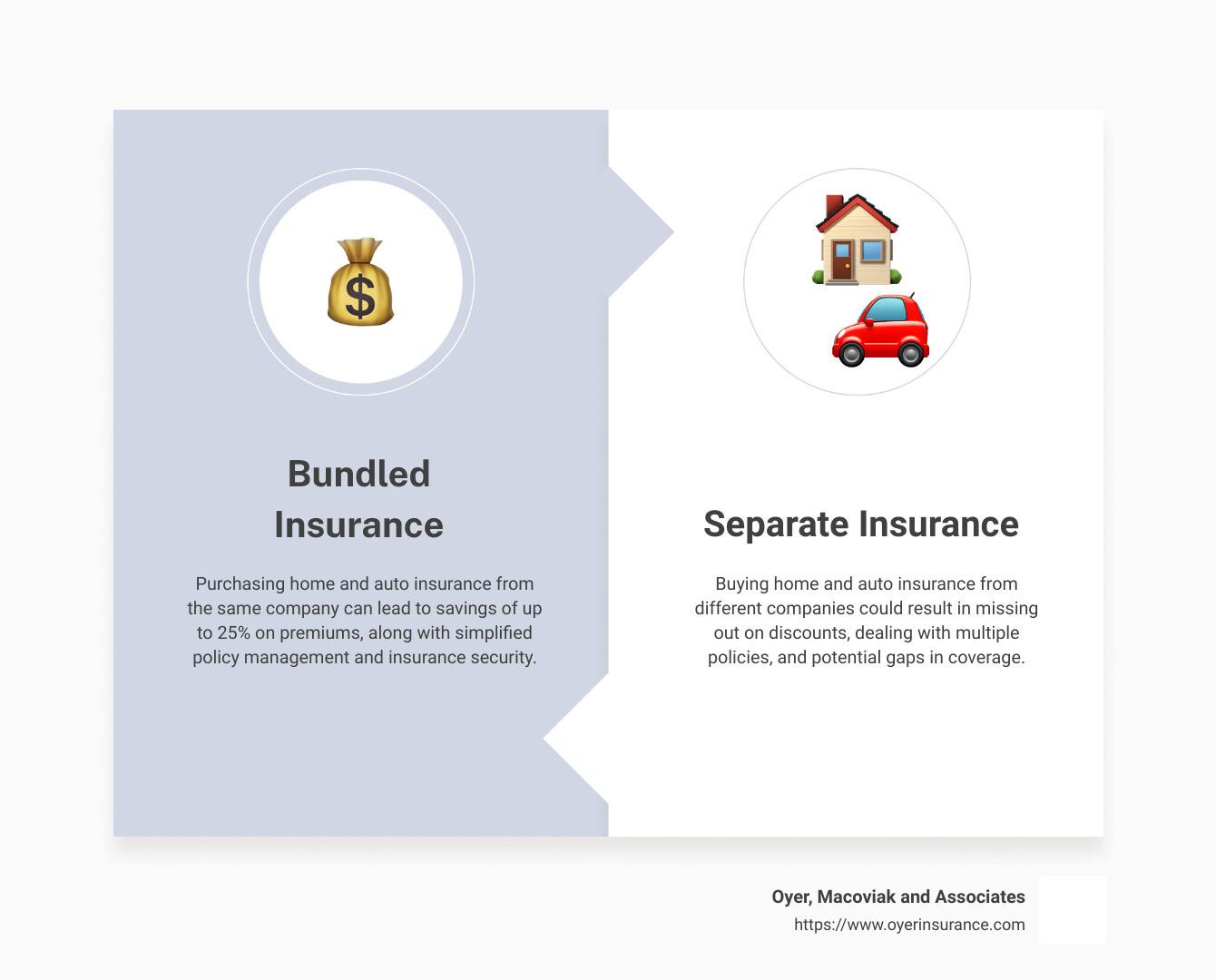
Another effective strategy is to bundle your policies. Many insurance companies offer discounts for customers who purchase multiple policies from them, such as home and auto insurance. This not only leads to cost savings but also reduces the number of providers you need to deal with. Here are some tips to help you manage your policies efficiently:
- Consolidate policies with a single provider to leverage multi-policy discounts.
- Schedule annual reviews to ensure your coverage aligns with your current needs.
- Utilize digital tools or apps offered by insurers for easy access and management.
- Communicate regularly with your insurance agent to stay informed about potential savings.
Maximize Your Coverage Uncovering Hidden Benefits in Policy Bundling
When considering multiple insurance policies, it’s crucial to explore the potential advantages of bundling. By consolidating your coverage under one provider, you might unlock hidden benefits that can transform your insurance experience. Not only does bundling often lead to significant discounts, but it can also simplify your administrative tasks, making your insurance management more efficient and stress-free.
Here are some potential perks of policy bundling:
- Cost Savings: Many insurers offer attractive discounts for bundled policies, allowing you to save money without sacrificing coverage quality.
- Streamlined Processes: Managing your insurance becomes easier with a single point of contact for multiple policies.
- Enhanced Coverage Options: Some insurers provide additional coverage options or higher limits exclusively for bundled policyholders.
By taking a closer look at what bundling can offer, you might find that it’s not just a smart financial move but also a way to enhance your overall insurance protection.

Expert Tips for Avoiding Common Insurance Pitfalls
When it comes to insurance, it’s easy to fall into the trap of thinking that more is always better. However, purchasing multiple policies without a strategic approach can lead to overlapping coverage, unnecessary expenses, and confusion. To ensure you’re making smart decisions, consider these expert tips:
- Assess Your Needs: Start by evaluating what coverage you truly require. Whether it’s auto, health, or home insurance, understand your risks and choose policies that provide adequate protection without redundant overlaps.
- Bundle When Possible: Many insurers offer discounts for bundling different types of insurance policies. Combining your home and auto insurance, for example, can lead to significant savings while simplifying management.
- Review Regularly: Life changes, and so do your insurance needs. Regularly review your policies to ensure they still align with your current situation. Adjust coverage as necessary to avoid paying for what’s no longer relevant.
By approaching your insurance strategy with a clear plan and periodic evaluations, you can effectively manage your coverage without wasting money on unnecessary policies.