



In the realm of financial planning, insurance stands as a cornerstone for safeguarding future uncertainties. Among the plethora of insurance products available, term life and whole life insurance emerge as two prominent options, each offering distinct benefits tailored to different needs. This article delves into an analytical comparison of these two types of life insurance, exploring their unique features, cost structures, and long-term value propositions. By examining the fundamental differences between term and whole life insurance, we aim to provide a nuanced understanding that can guide consumers in making informed decisions aligned with their financial goals and risk management strategies. Through an objective lens, we will dissect the complexities and considerations involved in choosing the most suitable life insurance plan, addressing the pivotal question: Is term life insurance a better deal than whole life insurance?
Comparative Analysis of Term and Whole Life Insurance Policies
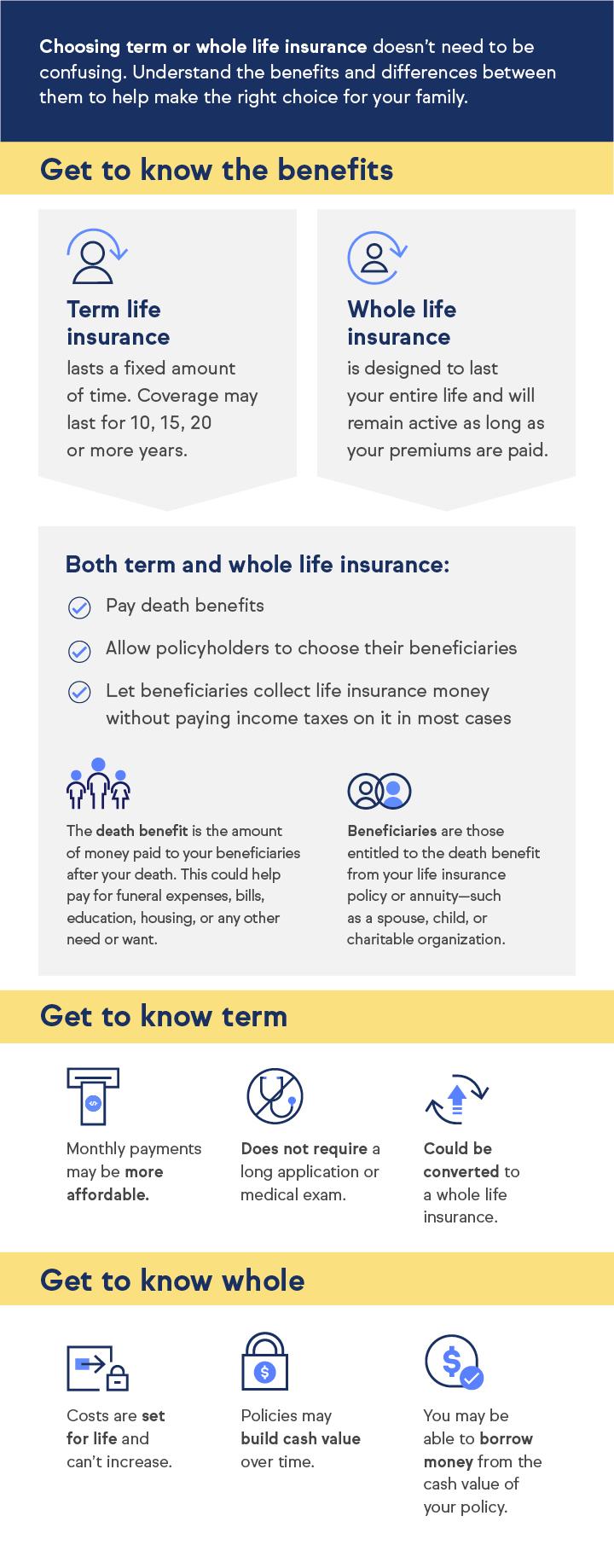
When comparing term life insurance and whole life insurance, several key differences emerge, each catering to distinct financial goals and personal circumstances. Term life insurance is generally more affordable, providing coverage for a specific period, typically ranging from 10 to 30 years. This makes it an attractive option for individuals seeking temporary coverage, such as during the years of raising children or paying off a mortgage. On the other hand, whole life insurance offers lifelong coverage and includes a cash value component that can grow over time. This cash value can be borrowed against or withdrawn, offering a degree of flexibility that term insurance does not provide.
- Cost: Term life insurance typically has lower premiums compared to whole life insurance, making it accessible for those on a budget.
- Coverage Duration: Term insurance expires after the set period, whereas whole life insurance remains in effect as long as premiums are paid.
- Cash Value: Whole life insurance builds cash value, offering a savings component that term life insurance lacks.
- Flexibility: Whole life policies provide options for loans and withdrawals, which can be beneficial for long-term financial planning.
Ultimately, the choice between these two types of insurance depends on individual needs, financial goals, and risk tolerance. While term life insurance may be suitable for those seeking cost-effective, temporary coverage, whole life insurance might appeal to those interested in lifelong protection and investment opportunities.
Financial Implications and Long-term Benefits of Each Insurance Type
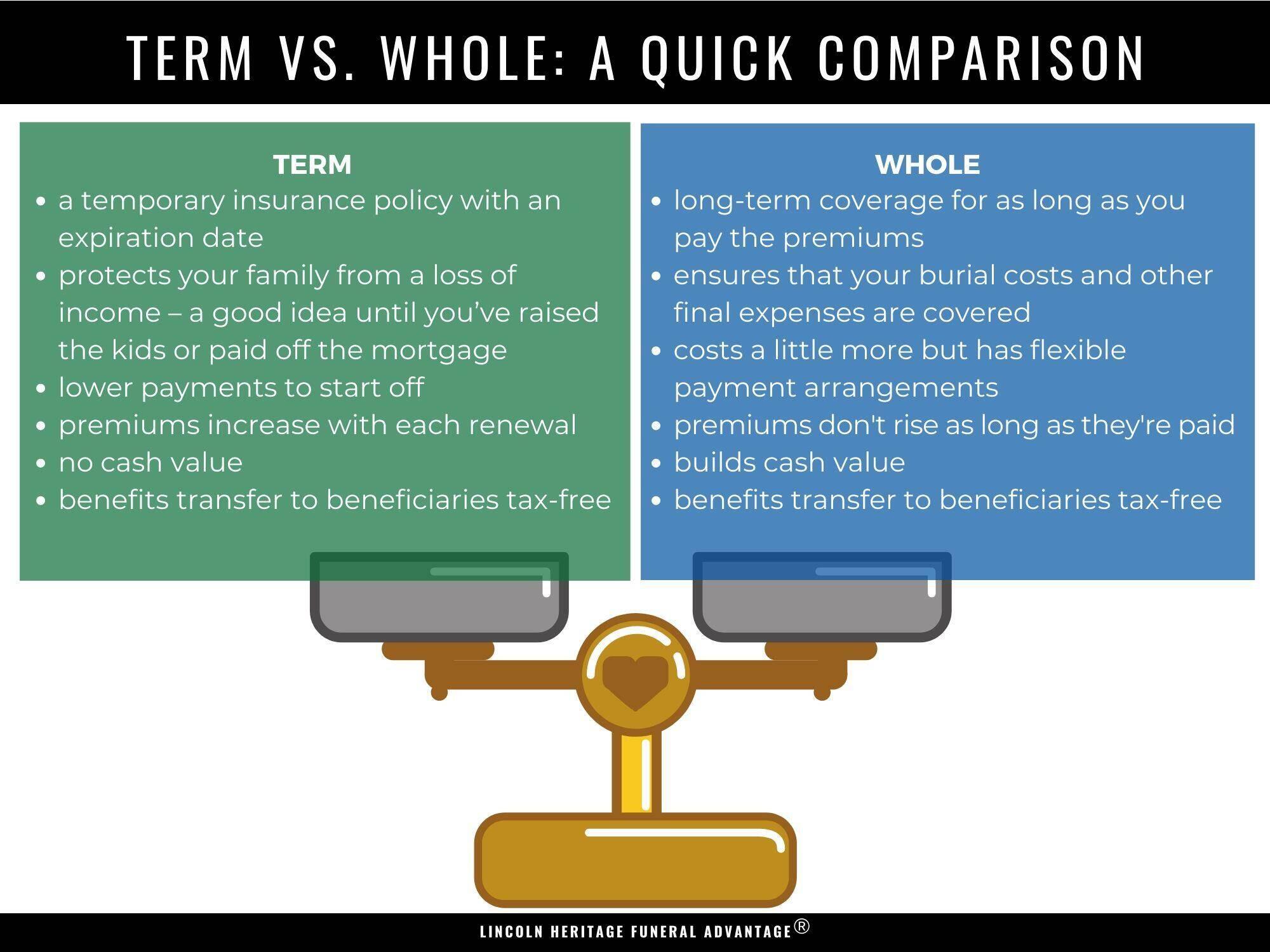
When considering the financial implications of term life insurance versus whole life insurance, it’s essential to weigh the upfront costs against the potential long-term benefits. Term life insurance typically offers lower premiums, making it a more affordable option for many individuals. This type of insurance provides coverage for a specific period, such as 10, 20, or 30 years, and is designed to protect your dependents during crucial financial years, such as when paying off a mortgage or funding children’s education. However, once the term expires, the policyholder is left without coverage unless they choose to renew at a potentially higher rate.
In contrast, whole life insurance is characterized by higher premiums, which can be a financial burden for some. Nonetheless, it offers the advantage of lifelong coverage and a cash value component that grows over time. This cash value can be borrowed against or even withdrawn, providing a financial cushion for emergencies or retirement planning. Additionally, whole life policies often pay dividends, which can be used to reduce premiums or increase the policy’s cash value. Key benefits include:
- Lifetime coverage with consistent premiums
- Cash value accumulation offering liquidity
- Potential for dividend payments
Ultimately, the choice between term and whole life insurance hinges on your financial goals, budget, and the level of coverage needed over time. Understanding these factors can help you make an informed decision that aligns with your long-term financial strategy.
Evaluating Flexibility and Investment Opportunities in Life Insurance Options
When considering life insurance options, flexibility and investment opportunities are key factors that differentiate term life insurance from whole life insurance. Term life insurance provides a straightforward approach with a focus on affordability and simplicity. This type of insurance is designed to cover policyholders for a specific period, often ranging from 10 to 30 years, making it an appealing choice for those seeking temporary coverage without the complexity of investment components. Its flexibility lies in the ability to choose terms that align with personal financial milestones, such as paying off a mortgage or ensuring children’s education costs are covered.
In contrast, whole life insurance offers a blend of coverage and investment, presenting a cash value component that grows over time. This investment aspect can be attractive to those looking for a more comprehensive financial strategy. Whole life insurance allows policyholders to build a tax-deferred cash reserve, which can be borrowed against or even withdrawn under certain conditions. Some of the potential benefits include:
- Guaranteed death benefit
- Potential dividends
- Consistent premium payments
While whole life insurance offers these investment opportunities, it’s crucial to weigh them against the typically higher premiums and consider whether these align with one’s long-term financial goals.

Expert Recommendations for Choosing Between Term and Whole Life Insurance
When determining whether term or whole life insurance is more suitable, experts often emphasize evaluating individual needs and financial goals. Term life insurance is generally recommended for those seeking affordable coverage to protect dependents during specific periods, such as the duration of a mortgage or until children are financially independent. Its lower premiums make it attractive for young families and individuals with temporary financial responsibilities. On the other hand, whole life insurance offers lifelong coverage and a cash value component, appealing to those who view insurance as both a protection mechanism and an investment opportunity. This can be beneficial for estate planning or leaving a legacy, but it comes at a higher cost.
Experts advise considering the following factors before making a decision:
- Financial Goals: Align your choice with your long-term financial objectives and responsibilities.
- Budget Constraints: Assess your current financial situation to determine what you can afford without compromising other financial priorities.
- Coverage Duration: Decide how long you need the coverage. Temporary needs might be better served by term insurance, while permanent needs might justify whole life insurance.
- Investment Component: If you’re interested in an investment aspect, consider how whole life insurance’s cash value fits into your broader investment strategy.