

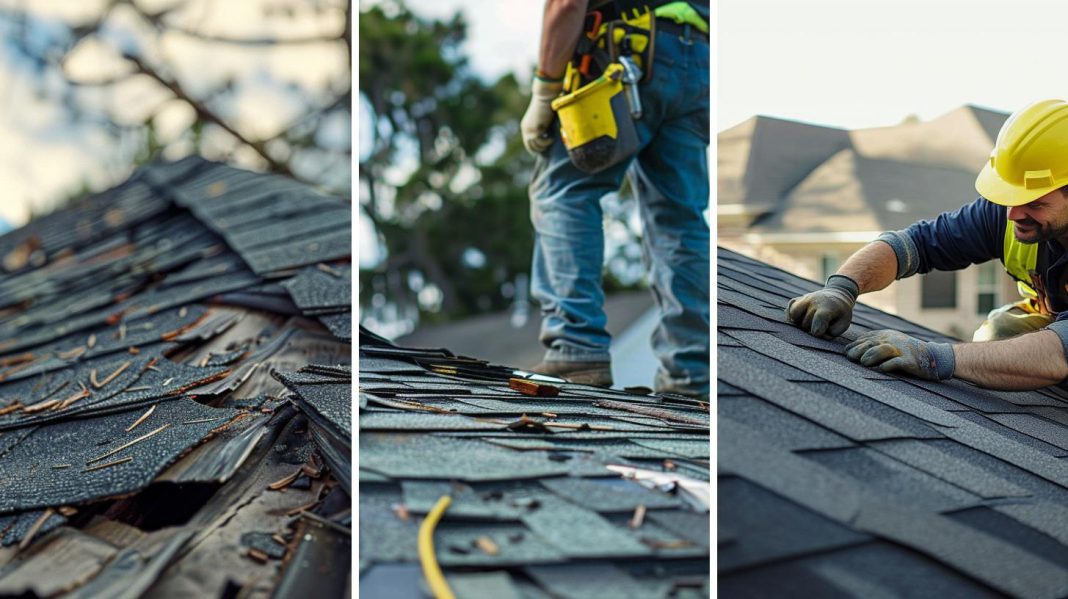

Navigating the complexities of a home insurance claim can be a daunting task, often leaving homeowners feeling overwhelmed and unsure of where to begin. In this guide, we aim to demystify the process and equip you with the essential knowledge and strategies to maximize your claim effectively. With an authoritative approach, we will walk you through each critical step, from understanding your policy’s nuances to meticulously documenting damages and negotiating with your insurer. Whether you’re dealing with minor repairs or significant losses, this article will empower you to advocate for yourself and ensure you receive the full benefits you are entitled to. Prepare to transform uncertainty into confidence as you learn how to get the most out of your home insurance claim.
Understanding Your Policy: Key Terms and Coverage Explained
When navigating the intricate world of home insurance claims, understanding the terminology and coverage details is crucial to ensuring a smooth process. Policyholder, deductible, premium, and liability coverage are some of the fundamental terms you should be familiar with. Your policy outlines specific coverage areas, such as structural damage, personal belongings, and liability protection. It’s essential to grasp what is included and excluded to avoid unexpected surprises.
- Policyholder: The individual or entity covered by the insurance policy.
- Deductible: The amount you pay out-of-pocket before your insurance kicks in.
- Premium: The cost you pay regularly to keep your policy active.
- Liability Coverage: Protects against claims of bodily injury or property damage caused by you or your family.
Ensure you review your policy’s Declarations Page, which summarizes your coverage limits and deductibles. Familiarize yourself with terms like Actual Cash Value (ACV) and Replacement Cost Value (RCV) to understand how your claims might be settled. By mastering these key terms and coverage details, you’ll be better equipped to communicate effectively with your insurer and maximize your claim’s potential.

Documenting Damage: Essential Steps for a Comprehensive Claim
When facing the aftermath of a disaster, the thorough documentation of damage is your strongest ally in securing a fair settlement. Begin by taking detailed photographs and videos of every affected area, ensuring you capture the extent of the damage from multiple angles. This visual evidence is crucial, as it provides an indisputable record of the incident’s impact.
- Keep a Written Record: Document the date, time, and nature of the damage in a dedicated notebook or digital file. This log should also include any conversations with your insurer or contractors.
- Save Receipts and Invoices: Collect and store all receipts for emergency repairs, temporary accommodations, and any other related expenses. These documents will be essential when calculating your claim’s total value.
- Compile an Inventory: Create a comprehensive list of damaged items, noting their condition, age, and original cost. This inventory will support your claim and help justify your requested compensation.
Remember, meticulous documentation not only strengthens your claim but also expedites the process, ensuring you receive the compensation you deserve promptly.

Navigating the Claims Process: Strategies for Effective Communication
Effective communication with your insurance company can significantly impact the outcome of your home insurance claim. To ensure a smooth process, consider these strategies:
- Be Prepared: Gather all necessary documents such as policy details, receipts, and photographs of the damage. This not only shows your diligence but also helps to back up your claim with evidence.
- Stay Organized: Keep a detailed record of all communications with your insurance provider, including dates, names, and summaries of discussions. This documentation can be crucial if disputes arise later.
- Ask Questions: Don’t hesitate to seek clarification on any part of the claims process. Understanding your policy’s terms and the company’s procedures will empower you to advocate effectively for yourself.
- Follow Up: Regularly check in on the status of your claim. Proactive communication can help expedite the process and demonstrate your commitment to resolving the matter efficiently.
Remember, clear and consistent communication can bridge the gap between you and your insurance provider, ensuring a fair and timely settlement.

Maximizing Your Payout: Expert Tips for Negotiating with Insurers
Unlocking the full potential of your home insurance claim requires a strategic approach when dealing with insurers. Begin by meticulously documenting every aspect of the damage. Take clear photos, keep all repair estimates, and maintain a comprehensive inventory of damaged items. Being organized not only strengthens your claim but also demonstrates your seriousness to the insurer.
When negotiating, consider the following expert strategies:
- Know Your Policy: Familiarize yourself with your policy’s terms and conditions. Understanding what is covered and any limitations will give you a solid foundation during discussions.
- Stay Persistent: Insurers may initially offer lower settlements. Politely yet firmly express your expectations, backed by your documentation, and be prepared to counteroffer.
- Leverage Professional Help: If negotiations stall, consider hiring a public adjuster. These professionals can provide expert insights and might help maximize your payout.
- Communicate Clearly: Maintain open lines of communication and document all interactions. Clear, concise communication can help avoid misunderstandings and expedite the process.
By approaching negotiations with confidence and a well-prepared case, you stand a better chance of securing a fair and satisfactory settlement.