



As the golden years unfold, the horizon of retirement offers a canvas of endless possibilities and newfound freedoms. Yet, amidst the allure of travel plans and leisurely mornings, lies an often-overlooked consideration: the evolution of your insurance needs. Retirement isn’t just a change of pace; it’s a transformation of lifestyle and priorities, prompting a fresh perspective on financial security. Are your current policies tailored to your new chapter, or are they relics of a bygone era? Join us as we delve into the nuances of post-retirement insurance, exploring whether it’s time to rethink, restructure, or reaffirm your coverage to ensure peace of mind in this vibrant stage of life.
Evaluating Coverage Gaps Post-Retirement
As you transition into retirement, it’s crucial to reassess your insurance portfolio to identify any potential coverage gaps. With changes in lifestyle and income, your insurance needs may differ significantly from those during your working years. Consider the following aspects to ensure you’re adequately protected:
- Health Insurance: Evaluate whether your current health insurance meets your needs, or if supplemental plans like Medicare Advantage or Medigap could offer better coverage.
- Life Insurance: Determine if you still require life insurance. For some, the need decreases as dependents become financially independent, while others may still benefit from coverage for estate planning or leaving a legacy.
- Long-Term Care Insurance: With increased life expectancy, consider whether long-term care insurance is necessary to cover potential future care costs.
- Home and Auto Insurance: Revisit your home and auto policies to ensure they reflect your current living situation and driving habits.
By addressing these areas, you can confidently navigate retirement with peace of mind, knowing you’re safeguarded against unexpected financial burdens.

Aligning Insurance with Lifestyle Changes
As you step into the golden years of retirement, it’s crucial to reassess your insurance portfolio to ensure it aligns with your evolving lifestyle. Retirement often brings about a shift in priorities and financial dynamics, necessitating a fresh look at coverage options. Consider the following when evaluating your insurance needs:
- Health Insurance: With the transition from employer-sponsored plans to Medicare or other personal policies, ensuring comprehensive health coverage becomes paramount.
- Life Insurance: Your reasons for holding life insurance may change. Whether it’s for estate planning, covering final expenses, or leaving a legacy, reevaluating your policy can provide peace of mind.
- Long-Term Care: The potential need for long-term care services is a significant consideration. Investigating options that cater to these needs can safeguard your savings.
- Property and Liability Insurance: As your lifestyle changes, so do your property and liability risks. Downsizing or relocating could affect your homeowner’s insurance, while reduced driving might lower your auto insurance requirements.
Adapting your insurance coverage to match your post-retirement lifestyle is not just about safeguarding assets; it’s about embracing this new chapter with confidence and clarity.
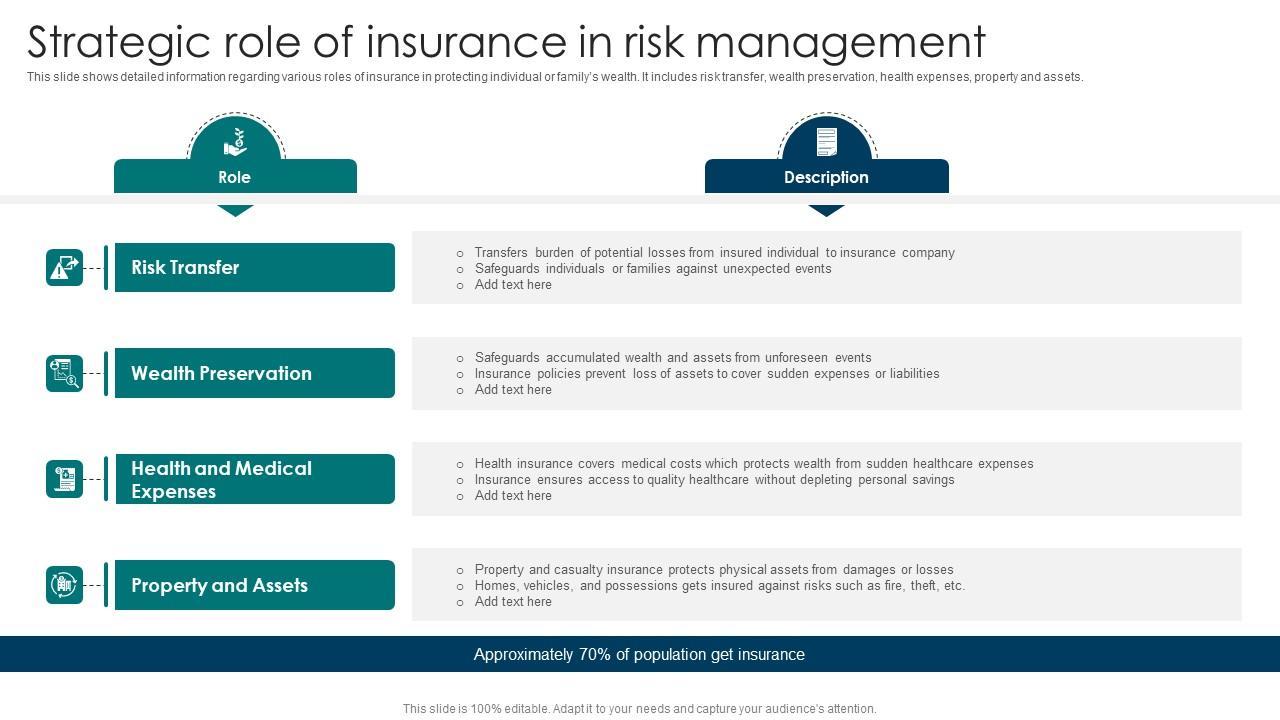
Strategic Insurance Planning for Peaceful Retirement
As you step into retirement, it’s crucial to reassess your insurance portfolio to align with your new lifestyle and financial goals. While some coverage may no longer be necessary, other forms of insurance might become more relevant. Consider the following aspects:
- Life Insurance: If your mortgage is paid off and your children are financially independent, you might need less coverage. However, if you wish to leave a legacy or cover estate taxes, maintaining a policy could be beneficial.
- Health Insurance: With age, healthcare needs often increase. Ensure your plan covers potential long-term care, prescription drugs, and unexpected medical expenses.
- Home and Auto Insurance: Reevaluate your coverage limits and deductibles. With reduced commuting, you might qualify for discounts on your auto insurance.
- Travel Insurance: If you plan to explore new destinations, consider policies that cover medical emergencies and trip cancellations.
By taking a proactive approach, you can craft a tailored insurance strategy that not only protects your assets but also grants you the peace of mind to enjoy your retirement years to the fullest.

Expert Tips to Optimize Your Post-Retirement Insurance
As you embark on this new chapter of life, it’s crucial to reassess your insurance strategy to ensure it aligns with your changing lifestyle and financial goals. Here are some expert insights to help you optimize your post-retirement insurance plan:
- Evaluate Health Coverage: Health insurance becomes even more essential as medical needs typically increase with age. Consider whether your current policy provides sufficient coverage or if you should explore options like supplemental Medicare plans to bridge any gaps.
- Review Life Insurance: The necessity for life insurance often diminishes after retirement, especially if your dependents are financially independent. Assess whether you still need a policy or if it makes sense to reduce coverage to save on premiums.
- Consider Long-Term Care Insurance: With the rising costs of long-term care, having a dedicated policy can safeguard your savings. Evaluate the benefits and costs to determine if it’s a worthwhile addition to your portfolio.
By taking these strategic steps, you can ensure that your insurance portfolio is not only cost-effective but also tailored to support your post-retirement lifestyle seamlessly.