


Navigating the aftermath of an unexpected event can be overwhelming, particularly when it involves filing an insurance claim. Whether it’s damage to your home, a car accident, or a health-related incident, understanding how to effectively maximize your insurance payout is crucial. This article serves as your comprehensive guide, designed to equip you with the knowledge and strategies necessary to ensure you receive the full benefits you’re entitled to under your policy. By following these expert insights and practical steps, you can confidently manage the claims process, minimize stress, and secure the compensation you deserve.
Understanding Your Policy Coverage and Limits
To effectively maximize your insurance payout, it’s crucial to have a thorough grasp of your policy’s coverage and limits. Policies can often be filled with jargon and fine print that may obscure important details. Key areas to focus on include:
- Coverage Scope: Understand what is covered under your policy. This includes the types of damages, losses, or incidents that your insurance will address. Whether it’s a homeowner’s policy or auto insurance, being clear about the specifics will prevent unexpected surprises.
- Limitations: Every policy has its boundaries. Know the maximum amount your insurer will pay for a covered loss. This includes per-incident limits and aggregate limits, which are the total amounts the insurer will pay over the policy period.
By being well-versed in these aspects, you can better negotiate and advocate for a fair settlement. Always review your policy documents thoroughly and consult with your insurance agent to clarify any ambiguous terms or conditions. Knowledge is your strongest ally when navigating claims.
Documenting Damage Thoroughly and Accurately
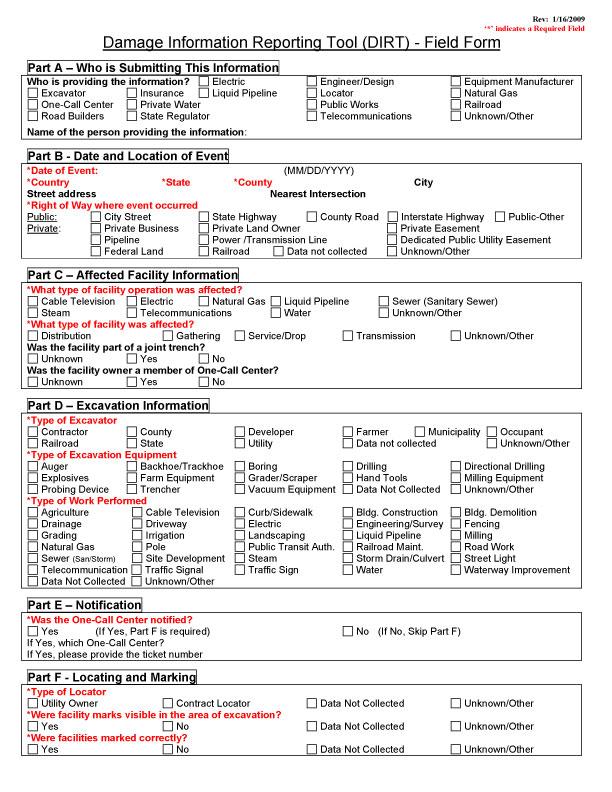
In the aftermath of an incident, the key to securing a fair insurance payout lies in your ability to provide comprehensive and precise documentation of the damage. Start by taking high-resolution photographs and videos from multiple angles, capturing every detail of the affected areas. Ensure that these visual records are time-stamped, as this can serve as invaluable evidence of when the damage occurred.
Accompany your visual evidence with a detailed written inventory of all damaged items. Include descriptions, estimated values, and any purchase receipts you can find. This documentation should be meticulously organized and readily accessible. Additionally, consider including:
- A copy of the police or incident report, if applicable.
- Expert assessments or estimates for repair costs from qualified professionals.
- Correspondence with your insurance provider, detailing every conversation and agreement made.
By presenting this comprehensive dossier to your insurance company, you establish a clear, undeniable account of the damage, positioning yourself strongly for a maximized payout.

Negotiating Effectively with Insurance Adjusters
When dealing with insurance adjusters, it’s crucial to approach the negotiation process with a clear strategy and confidence. The adjuster’s primary role is to protect the insurance company’s interests, but that doesn’t mean you can’t advocate for a fair settlement. Preparation is key; gather all necessary documentation, including photographs, receipts, and repair estimates, to substantiate your claim. Be sure to understand your policy inside out, so you can confidently counter any attempts to downplay your claim’s validity.
- Communicate Clearly: When speaking with the adjuster, be concise and factual. Avoid unnecessary details that may confuse the issue.
- Be Patient but Persistent: Adjusters may initially offer a lower settlement than what you’re entitled to. Politely but firmly insist on a detailed explanation and be prepared to counteroffer.
- Know Your Worth: Do not settle for less than what you believe is fair based on your research and evidence.
By maintaining a professional demeanor and being well-prepared, you increase your chances of reaching a settlement that truly reflects the damages or losses incurred.
Leveraging Legal and Professional Assistance
When navigating the complexities of insurance claims, seeking the expertise of legal and professional advisors can be invaluable. Insurance adjusters work for the insurance company, and while they may seem helpful, their primary goal is to minimize the payout. On the other hand, a qualified attorney or a public adjuster can provide an objective assessment of your claim, ensuring that you receive the compensation you deserve. They can help you understand the intricacies of your policy, negotiate with insurance companies, and represent your interests effectively.
- Public Adjusters: These professionals are licensed to represent policyholders in the claims process. They can handle all communications with the insurance company, ensuring that your claim is presented accurately and comprehensively.
- Legal Advisors: In cases where disputes arise, an attorney specializing in insurance law can offer strategic guidance and, if necessary, represent you in court. Their expertise can be crucial in navigating legal jargon and complicated policy terms.
By leveraging these resources, you can significantly increase your chances of maximizing your insurance payout. Remember, while there may be costs associated with hiring these professionals, their ability to potentially increase your settlement can outweigh the initial investment.